



Real-Time Image Scanning
Advanced barcode and QR code scanning powered by deep learning for instant, accurate decoding
See our Scanning in Action
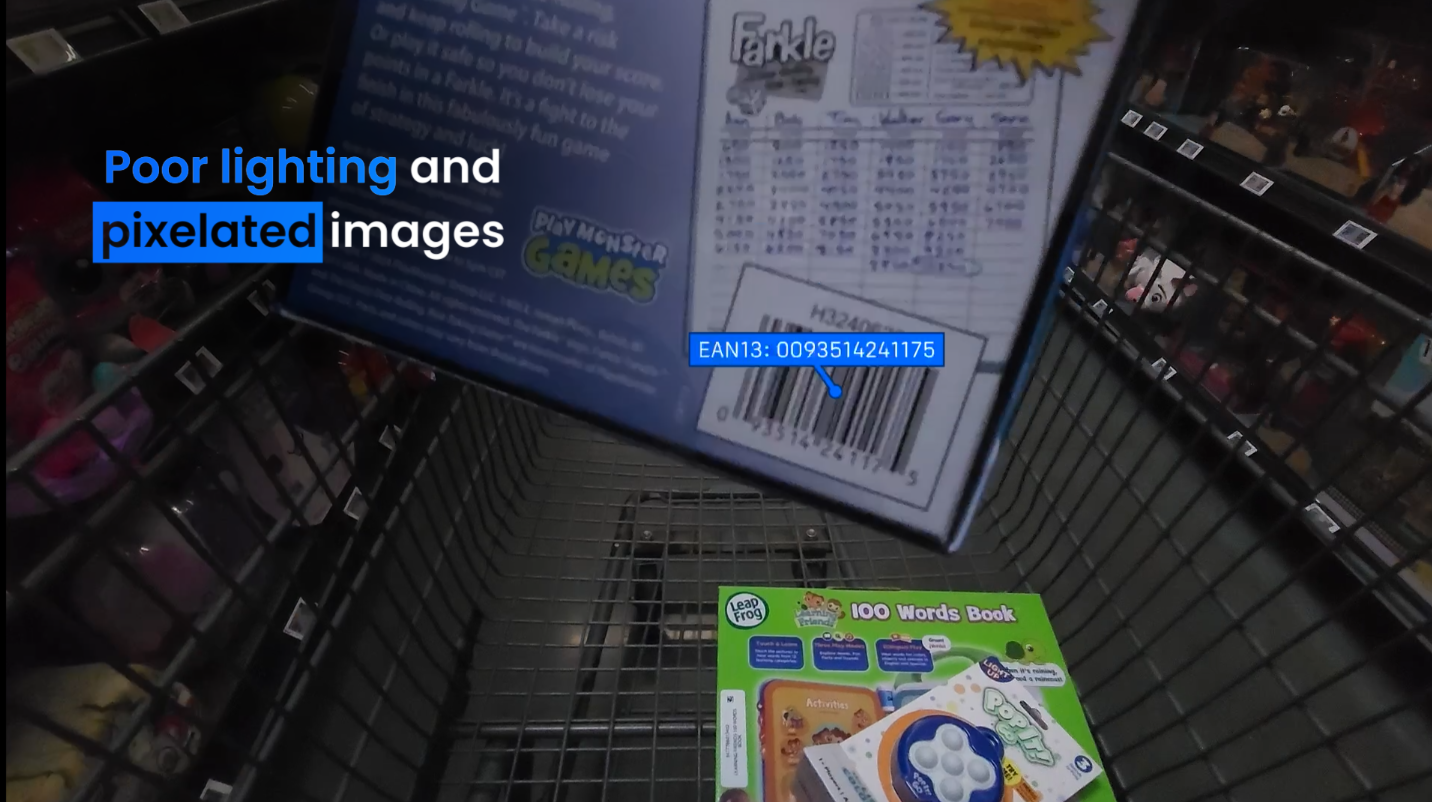
We tested our scanning models on a wide variety of real-world conditions and the most challenging barcode images. The three examples shown include barcodes that are covered, obscured by glare, and damaged with tears and markings. The video shows how our scanners will quickly and repeatedly decode these barcodes. Click on the button to watch.
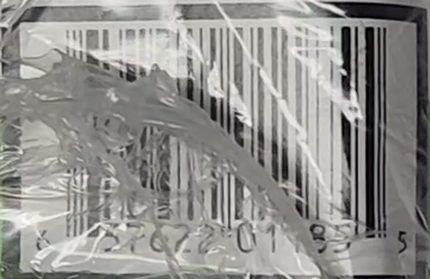
Obstruction
Codes Covered by Packaging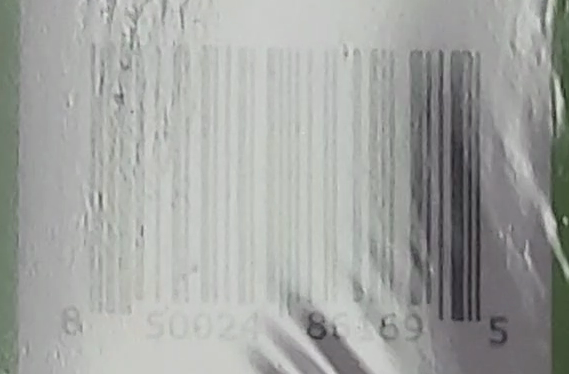
Glare
Faint and Shiny Codes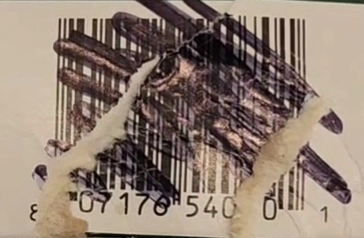
Damage
Codes with Tears and Markings
Barcode and QR Code Scanning Challenges
We heard from numerous industries about the challenges they face with scanning barcodes and QR codes in real-world conditions. Failed scans are easily caused by motion and focus blur, pixelation, darkness, obstructions, glare, defects, damage, markings, and more. Unreliable scanning leads to additional labor costs, inventory errors, delays, and inefficiencies. Yet many existing solutions fall short of delivering data capture performance needed for critical applications and advanced automation.
We listened, and developed from the ground up new state-of-the-art, proprietary computer vision solutions to handle even the most difficult challenges.
Our AI-powered scanning models accurately decode barcodes and QR codes in real-time, even under adverse conditions. This will enable your hardware and applications to reduce errors and improve efficiency for your customers.
Performance Comparison
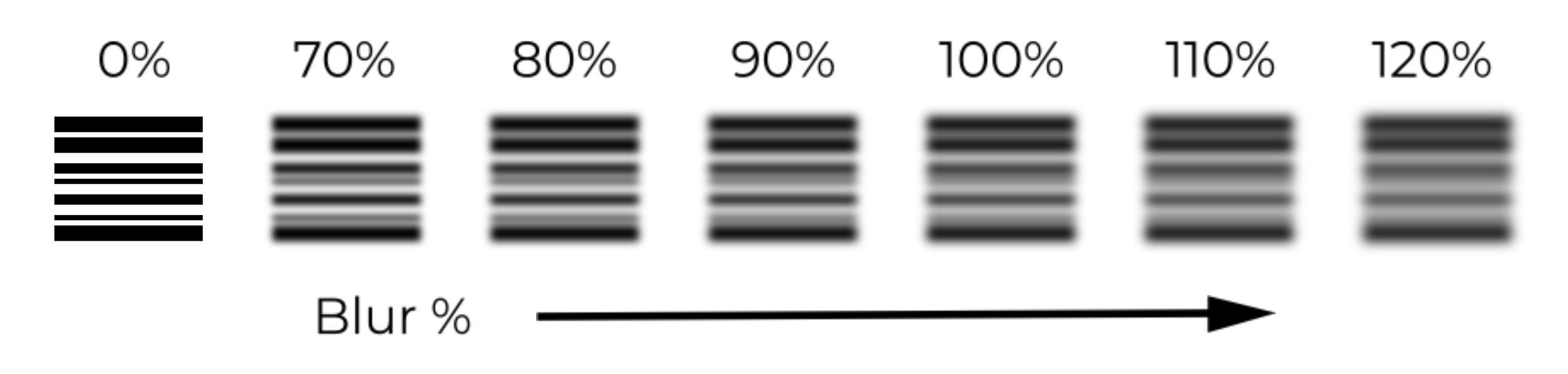
To compare the performance of different scanners, we tested their ability to scan barcode images with different levels of blur. The examples of blur levels shown (given as a percentage of the module line width) illustrate how the lines begin to merge and disappear as the blur level increases, especially above 100%.
Cortechs
125%+Scanbot
100%Cognex
90%Honeywell
80%Dynamsoft
75%As the blur rate increases, scanners will successfully scan until their maximum blur value is reached — above which their scanning accuracy will sharply drop below 50%. The chart provides the maximum blur values measured for different scanners. Our baseline models consistently decode at higher blur values, outperforming current solutions that fail between 75-100%. This shows our algorithms can scan with nearly twice as much blur as others.
By decoding messier, more distorted barcodes, our models improve reliability across real-world conditions:
- Smaller images, at lower resolution and farther distances: Decode barcodes from greater distances or with lower-spec cameras
- Darker lighting, with reduced exposure and shadows: Maintain performance in low-light environments where image quality is compromised
- More motion, for fast-moving or unstable cameras: Continue scanning effectively with camera shake or moving objects
More blur tolerance means more flexibility: cheaper cameras, faster capture speeds, and better results in real environments. Whether you're building warehouse automation, mobile scanning, or embedded vision systems, our technology pushes the boundaries of what is scannable.

Cost of Failed Scans
The cost of failed scans can be significant across various industries, and at all steps in the supply chain. These costs accumulate quickly, so any improvements in scanning capabilities can lead to substantial savings.
Throughput Inefficiency
In high-volume environments, failed scans slow down operations. This leads to downtime, bottlenecks, backfill queues, and delays that impact downstream operations. We have learned of significant operational challenges due to failed scans. For example, when automated scanners are unable to scan a barcode on the conveyance not only does the parcel need to be handled manually, but it will need to be reinjected back onto the conveyance, resulting in further bottlenecking. Facilities have reported to us that 5-30% of parcel kickouts due to failed scans, and some conveyances need to be slowed down as much as 40% at scanning stations to improve scanning performance.
Labor Costs
Manual handling in high-volume environments like warehouses results in additional labor costs. Each failed scan requires an employee to manually enter data or locate items. This not only increases labor expenses but also diverts staff from more value-added tasks.
Inventory Record Inaccuracy
Failed scans contribute to discrepancies between recorded and actual inventory levels. This can lead to overstocking or understocking, both of which have financial implications including lost sales, increased carrying costs, and emergency shipping expenses.
- Overstocking: When the system under-reports stock levels, purchasers may order more material than is needed. This ties up significant working capital in unnecessary inventory and increases carrying costs in warehousing, insurance, and obsolescence.
- Understocking: When the system over-reports stock levels, critical components may be physically unavailable when needed for production. This can halt production, lead to lost sales, and necessitate emergency overnight shipping at premium rates that are 30-50% higher than standard.
The total financial impact of such inventory errors is staggering, with an estimated $1.7 trillion lost annually to the global retail industry.
What We Offer
We custom develop scanning solutions tailored to your specific application needs, ensuring optimal performance in your unique environment. This includes:


Speed vs Accuracy Tradeoffs
We optimize for maximum throughput or highest accuracy based on your operational requirements.

Scannable Code Types
We can scan any 1D and 2D scannable types, including UPC, EAN, QR Code, and more. Your solution is tailored to focus on your target code types.

Hardware Constraints
We adapt our models to run efficiently on your target hardware, with considerations for CPU, memory, and power limitations.

Multi-Scannable Support
We can configure the system to detect and decode a maximum number of scannables per image frame as needed.

Advanced Logic
We can implement additional capabilities such as object tracking to return a single scan per scannable.

Any and All Challenges
We specialize in solving the toughest computer vision challenges. If your application has unique obstacles, we're ready to tackle them.